



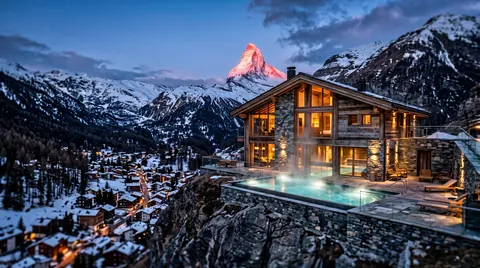


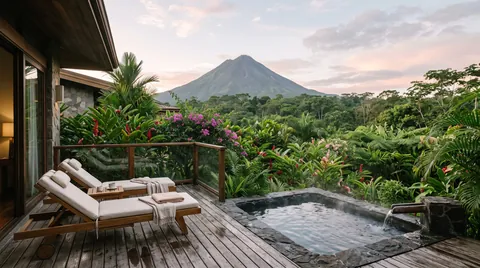



The Alps in Summer: Why Mountain Resorts Shine in July
Hiking, mountain huts, lakes and spas: why July suits the Alps so well, how summer lift passes work and why early starts beat afternoon storms.
In winter the Alps belong to skiers. In summer they open to everyone: walkers, swimmers, cyclists, families and anyone who simply wants cool air, green meadows and a long lunch at a mountain hut. July is the heart of it, when the lifts run, the huts are open and the days are long. Here is how to spend a summer stay well, and how to work with the mountain weather rather than against it.
Why July works
By July the snow has retreated from all but the highest trails, the meadows are in flower at altitude and the lifts and huts run full timetables. Days are long and evenings mild, and valley villages at 1,500 or 1,800 metres stay pleasantly cool when the lowlands swelter. As a rough rule, the air cools by roughly 6 to 7 °C for every 1,000 metres you climb, so a warm afternoon in the valley can mean a fresh breeze on the ridge.
July and August are high summer in the Swiss Alps and the Dolomites alike. August is busier, with European holidays at their peak, and in Italy the days around 15 August are among the fullest of the year in the mountains. Early July often gives you summer at its greenest with fewer people on the trails.
Walking, with or without effort
The great luxury of an Alpine summer is that the lifts do the climbing for you. A gondola can carry you a thousand metres up in minutes, leaving a level walk along a balcony trail or a gentle descent back to the valley. For keener walkers, the same lifts open long ridge routes and summit climbs within a single day.
Trails are well marked. In Switzerland, yellow signposts give walking times rather than distances, and the paint marks tell you the grade: yellow for easy paths, white, red and white for mountain trails that need sure footing, white, blue and white for alpine routes that need experience. In the Dolomites, trails carry numbers on red and white marks, and the protected climbing routes with fixed cables, the vie ferrate, need proper equipment and, for most people, a guide.
Hire a local mountain guide for anything on a glacier, for a via ferrata or for your first high route. Your hotel can usually recommend one for the following morning.
Mountain huts
Huts are the heart of the Alpine summer. Many lie an hour or less on foot from a lift station and serve real cooking on a terrace with a view of peaks and glaciers: barley soup, dumplings, polenta, cheese from the summer pastures. In the Dolomites in particular, lunch at a good hut can rival a valley restaurant.
Staying overnight is another experience: dinner at a fixed time, a dormitory or a simple room, and sunrise from the terrace. Most staffed huts at altitude open from mid or late June until mid or late September, and popular ones fill early for summer weekends. Many expect you to bring a sleeping bag liner, leave your boots at the door and arrive in good time for dinner.
Lakes, spas and rainy days
Alpine lakes come in two kinds. Lakes in the lower valleys can be pleasant for swimming in July and August, while high lakes fed by snowmelt stay bracing all summer, better for a quick dip than a long swim. Many villages also keep outdoor pools open through the summer months.
A good spa is worth more in summer than many expect. After a long walk, a sauna, a warm pool and a massage turn tired legs into a pleasant evening, and on a wet day the spa is where the hotel lives. Look for an indoor pool as well as an outdoor one, since mountain weather can turn cool even in July.
Keep a plan for a rainy day: a local museum, a cheese dairy, a woodland walk in the valley, or a drive over a high pass once the cloud lifts.
Summer lift passes and guest cards
Summer lift timetables usually begin around the middle of June and run into September or October, varying from valley to valley. Many lifts close for maintenance between the seasons, so check the dates carefully for a stay in early June or late September.
In many Alpine regions, staying at a hotel brings a guest card that includes local buses and sometimes lifts. Ask what yours covers: some cards include every lift in the valley, others only a few, others only discounts. A multi-day lift pass is worth buying if you plan to ride lifts most days.
Note the time of the last descent. On many mountains the last gondola down leaves in the late afternoon, and missing it means a long walk down at the end of a tiring day.
Storms, sun and altitude
The classic summer pattern in the Alps is a clear morning, clouds building around midday and thunderstorms in the afternoon. Start walks early and plan to be off ridges, summits and fixed cables by early afternoon. If you hear thunder, head down; a via ferrata cable is the last place to be in a storm. Read the mountain forecast each evening and ask the hotel for its view in the morning.
Sun at altitude is stronger than it feels in the cool air. Wear a hat, sunglasses and high factor sun cream, and drink more than you think you need. Carry layers and a waterproof jacket even on a warm morning.
A first day of hard walking at height can feel tougher than expected, so start gently. If you have a heart condition, are pregnant or have had recent surgery, ask a doctor before planning strenuous walks or a night at a high hut.
The quieter weeks: June and September
Late June is a lovely time to come. The meadows are at their most colourful, waterfalls run full with snowmelt and the trails are quiet. The trade-off is that high trails and passes may still hold snow, and some lifts and huts have not yet opened. Choose a valley base with walks at middle altitude and you will barely notice.
September is many mountain lovers’ favourite month. The school holidays are over, the air is often clear and the weather settled, and the afternoon light turns golden. Days shorten and mornings are cold, and huts and lifts begin to close in the second half of the month. The Dolomites often keep their summer quality well into September, and in the valleys of South Tyrol the harvest carries the season on into autumn.
May and November are the months in between: many hotels close, lifts stop for maintenance and the mountains are at their least inviting.
Questions readers ask
Is July a good time to visit the Swiss Alps?
Yes. July brings long days, flowering meadows at altitude and full lift and hut timetables, while the valleys stay pleasantly cool. Afternoon thunderstorms are common, so plan walks for the morning. August is busier with European holidays.
When do mountain huts open in the Alps?
Most staffed huts at altitude open from mid or late June until mid or late September, depending on their height and the snow. Huts close to lift stations may open for longer. Check the season dates and reserve overnight stays early for summer weekends.
Are the Dolomites busy in August?
Yes, August is the busiest month, and the days around the Italian holiday on 15 August are among the fullest of the year. Popular lakes and viewpoints can be crowded by mid-morning. July and September are calmer, and early starts help in any month.
Independent editorial guidance. Our guides name no resorts, and resortris takes no payment for coverage. Seasons and conditions are general and can vary from year to year.
Try it nowBest Time to Go: The Resort CalendarChoose a month and see where the season is at its best, with typical air and sea temperatures for twenty four resort destinations.


