





Links, Parkland, Desert, Clifftop: The Landscapes of Resort Golf
How links, parkland, desert and clifftop courses play, how wind and turf change the game, what to pack and which landscape suits which golfer.
Resort brochures tend to describe every course as championship standard, but the land beneath it tells you far more. A links on sandy coastal ground, a parkland course among old trees, an irrigated desert layout and a course on the cliffs each ask for different shots, different clothes and a different temperament. Knowing the type before you book helps you choose the right resort for your game, and pack for it.
Links: the original game
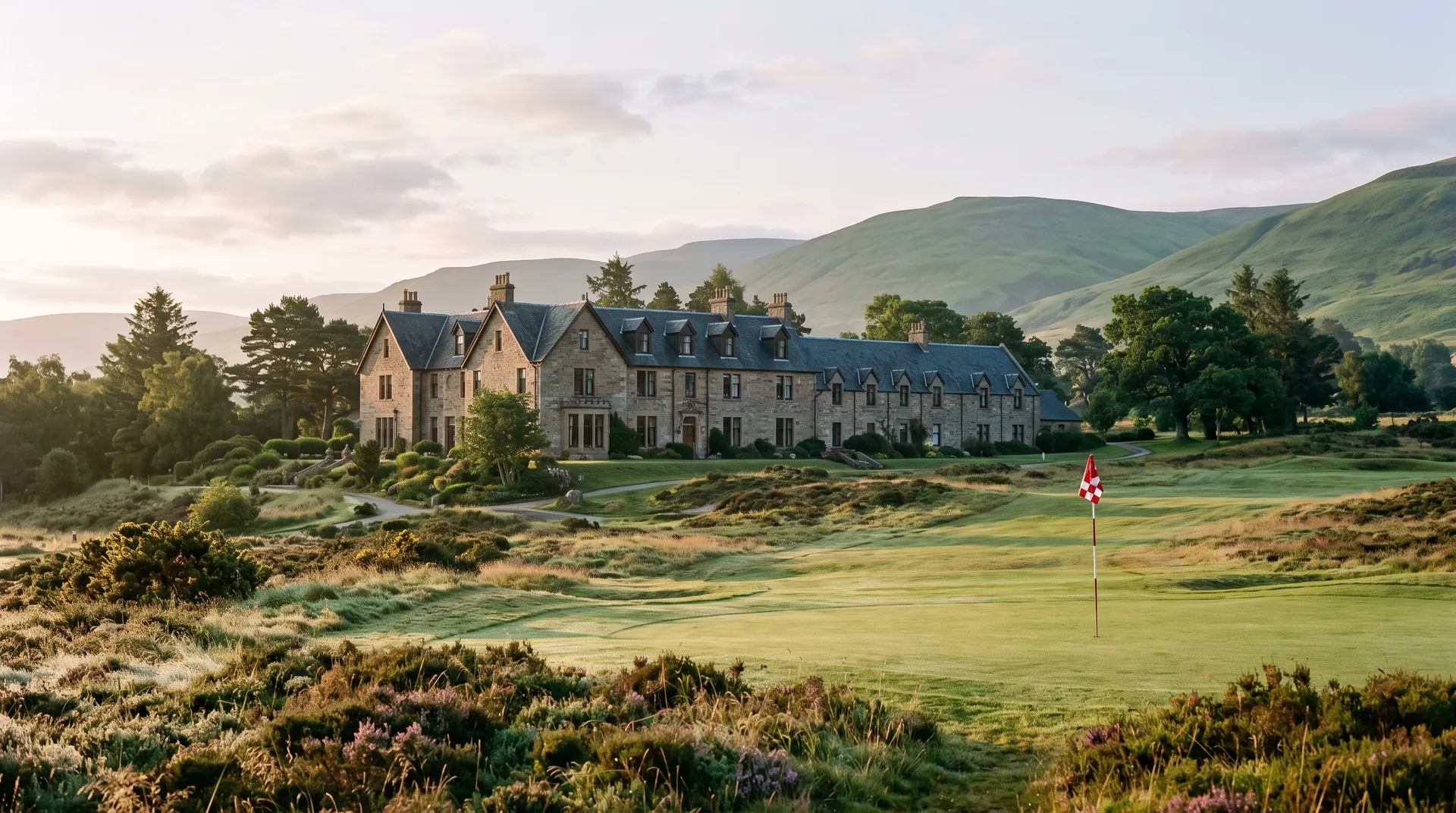
A links is a course on the sandy strip of land that links the sea to the farmland behind it, usually dunes covered in fine grasses. It is the oldest form of golf, born on the coasts of Scotland, and true links are rare outside Britain and Ireland, because the ground itself is rare. Many resort courses elsewhere call themselves links-style when they mean open and treeless.
The turf is firm and fast, typically fescues and bents on sand that drains quickly, so the ball runs on after landing. That changes the game: you play along the ground as much as through the air, with low running shots into greens, putts from off the green and deep pot bunkers that punish a slight miss. Wind is the course’s main defence, and the same hole can need a short iron one day and a wood the next.
Pack for weather rather than heat: a good waterproof suit, a windproof layer, a warm hat and spare gloves. A hybrid or a low-lofted club you trust off tight turf is worth more than an extra wedge.
Parkland: trees, water and soft turf
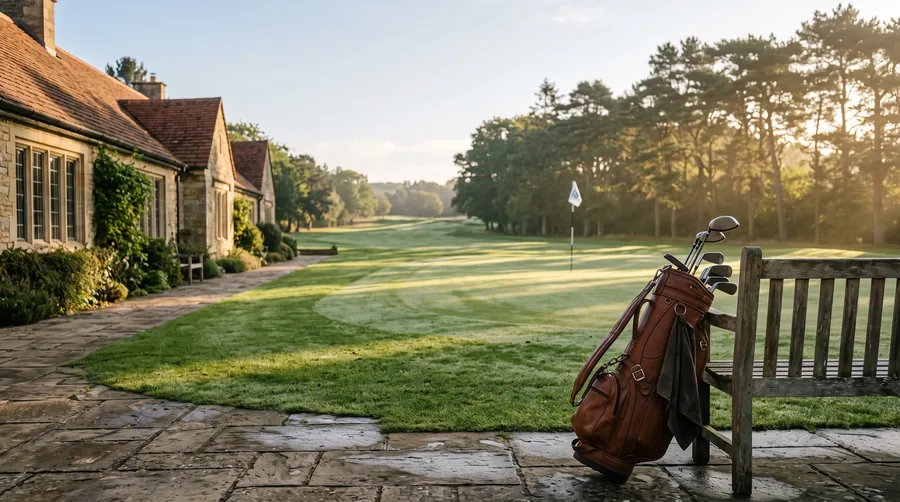
Parkland courses are inland, laid out through mature trees on richer soil, often around lakes and streams. They are the type most golfers from continental Europe know best, and they are common at resorts from the Algarve to Mauritius.
The turf is lusher and softer, so the ball stops close to where it lands. That rewards a high, carrying shot and penalises a wayward one, because trees block the way back to the fairway. Water hazards are frequent but mostly visible, which makes parkland golf more predictable than links: what you see is largely what you get. Pack waterproof shoes for dewy mornings and an umbrella.
The tropical version swaps oaks and pines for palms, mangroves or jungle. On the Riviera Maya, some courses wind through low forest and limestone, with cenotes, the natural sinkholes of the Yucatán, as hazards. Heat and humidity are the real challenge there: pack light, breathable clothing, two gloves to swap as one gets damp, a towel and plenty of sun protection.
Desert: target golf on irrigated green
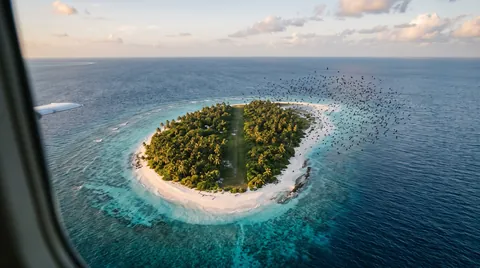
Desert courses are ribbons of irrigated grass laid across sand and rock. Off the fairway there is often nothing but desert, so the game becomes target golf: you play from one island of green to the next. A miss into the sand may be marked as a penalty area or played as part of the general area, depending on how the course has marked it, and the difference changes what you are allowed to do. Read the scorecard first.
The grasses are warm-season types such as Bermuda grass or paspalum, which cope with heat and, in the case of paspalum, with salty water. Their greens can have a strong grain, the direction in which the blades lie, which pulls putts sideways and changes their speed; ask a caddie or the professional which way it tends to run. In the Gulf, many courses are overseeded in autumn, so ask about closures before an October or early November trip.
The climate shapes the day. Early tee times avoid the worst of the heat, and warm air carries the ball a little further. Pack a wide-brimmed hat, high factor sunscreen and more water than you think you need. Around Marrakech the setting is semi-arid rather than true desert, with palms and olive groves softening the edges.
Clifftop: drama on the edge
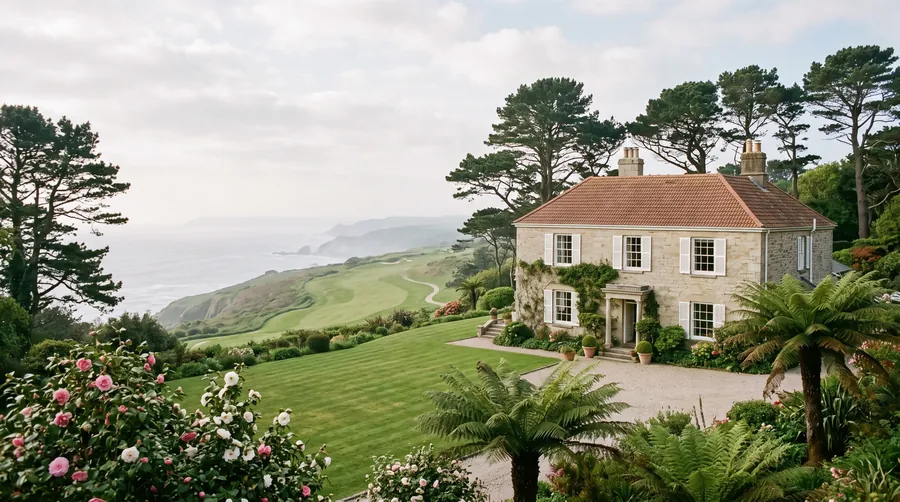
Clifftop courses sit on headlands above the sea, often with holes that play across inlets or along the edge of the cliff. They are among the most photographed courses in resort golf, and the views earn it. They are also exposed. Wind comes straight off the water, forced carries over the sea leave no room for a short shot, and lost balls are part of the experience. The Algarve coast is known for a handful of cliff-edge holes.
Pack extra balls, a windproof layer even on warm days, and a patient frame of mind. Many clifftop courses have forward tees with shorter carries; use them without embarrassment. If you are uneasy with heights, ask whether the paths between holes run close to the edge.
Which landscape suits which golfer
- Higher handicaps and beginners: parkland and resort courses with wide fairways and forgiving rough. Leave long forced carries over water or sea until you trust your long game.
- Low handicaps looking for a test: links in the wind, or clifftop courses from the back tees.
- Players who love the short game: links, where imagination around the green matters more than distance.
- Golfers who dislike cold and rain: desert courses and tropical parkland in their winter season.
- Mixed couples: a parkland or coastal resort course with a short course or academy, so a partner can play a few holes without pressure.
For a week with several rounds, mix the types if you can. A day on a firm, windy course and a day on a soft, sheltered one make you a better judge of both, and stop a golf week from feeling like the same round five times.
Reading the course before the first tee
Whatever the landscape, a few minutes of preparation help. Look at the course guide or the hole-by-hole map the night before and note the forced carries, the water and the out of bounds. Ask the professional which way the prevailing wind blows at that time of year and which holes play into it.
Choose tees by length, not by pride. Resort courses usually offer several sets, and playing from a forward tee on a windy or unfamiliar course often makes the round quicker and more enjoyable. Expect your score to rise on links and clifftop courses in wind; it says more about the weather than about your swing.
If caddies are available, take one at least once. On an unfamiliar course, local knowledge of grain, wind and the slopes that fool visitors is worth more than any new club in the bag.
Questions readers ask
What is the difference between a links and a parkland course?
A links sits on sandy coastal land with firm, fast turf, few trees and plenty of wind, so the ball runs and low shots are rewarded. A parkland course is inland among trees, with softer, lusher turf where the ball stops quickly and high, carrying shots work best.
Can you ground your club in a desert waste area?
It depends on how the course has marked it. Under the rules of golf, sand that is not a bunker is usually part of the general area, where you may ground the club, but courses can mark desert areas as penalty areas instead. Check the scorecard or ask in the pro shop before you play.
Which type of golf course is best for beginners?
A parkland or resort course with wide fairways, little water and several sets of tees is the most forgiving. Short par-3 courses and academy holes are even better for a first round. Save links in strong wind and clifftop courses with long carries for when you can reliably get the ball airborne.
Independent editorial guidance. Our guides name no resorts, and resortris takes no payment for coverage. Seasons and conditions are general and can vary from year to year.
Try it nowBest Time to Go: The Resort CalendarChoose a month and see where the season is at its best, with typical air and sea temperatures for twenty four resort destinations.