





Switzerland with Children: Lake Boats, Mountain Railways and Gentle Days
How to plan a family stay in Switzerland: free rail travel for young children, lidos and lake boats, short mountain walks and rainy day plans.
Switzerland is one of the easiest countries in Europe to travel with children. Trains run on time, boats and mountain railways are attractions in their own right, and the distances between a lake, a glacier and a playground with a view are short. The challenge is pacing: too many excursions and the stay turns into a timetable. Here is how to plan a family stay that leaves room for the lake, the meadows and an afternoon of doing very little.
Getting around with children
Public transport is one of the great family advantages of Switzerland. Children under six travel free with an adult, and the railways sell a family card, valid for a year, that lets children up to sixteen travel free with a parent who holds a ticket. Visitor rail passes usually include the same arrangement, so a family can move between lakes and mountains for little more than the adults’ fares. Ask at a staffed station which option fits your trip.
The trains themselves help. Some intercity trains have a family carriage with a small play area upstairs, there is room for pushchairs on trains and boats, and timetables are reliable enough to plan nap times around them. Send larger cases ahead with the railways’ luggage service when you change hotels, and travel with a day bag, snacks and a change of clothes.
A lake base or a mountain base
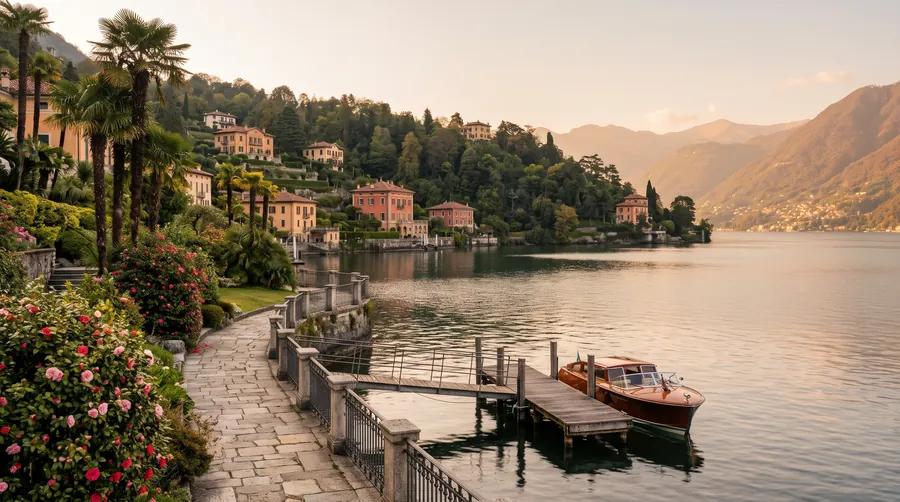
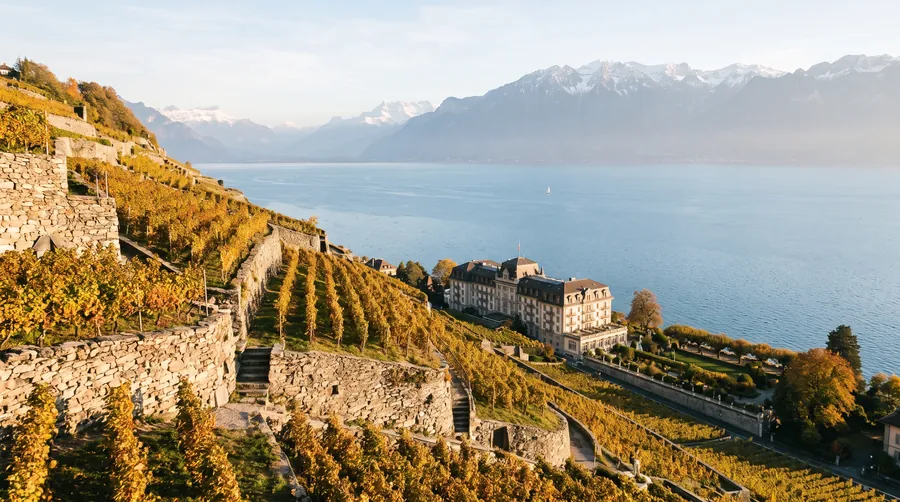
Choose the base before the excursions. A lake base, on Lake Lucerne, Lake Geneva or in Ticino, gives you swimming, boats and milder evenings, with mountains a short ride away. A mountain base gives you meadows, cooler nights and walks from the door, while swimming means a mountain lake or a heated outdoor pool. With younger children, two bases of four or five nights each usually work better than a week of day trips from one.
Height matters less than many parents fear. Most Swiss resort villages lie between about 1,000 and 1,800 metres, which most families find comfortable. The highest viewpoints, above 3,000 metres, are a different matter: keep visits short, watch for headaches or unusual tiredness, and ask your doctor before taking a baby or a child with a heart or lung condition to that height.
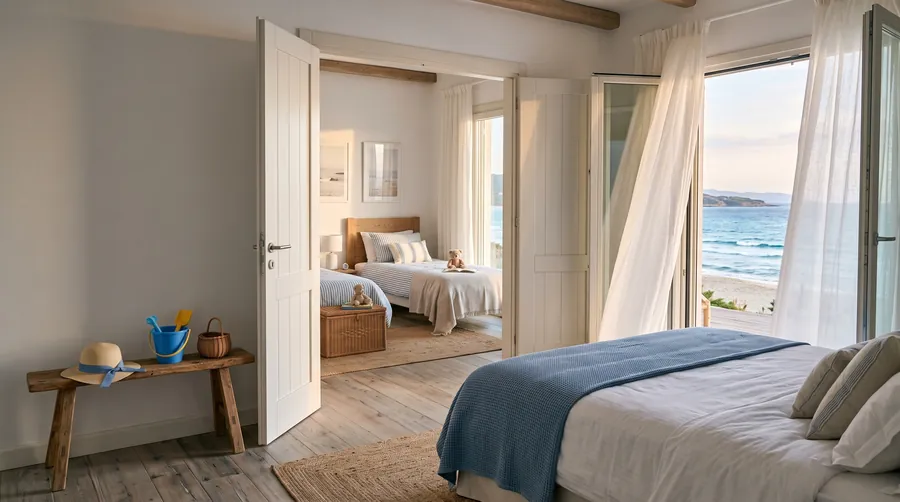
Look closely at the hotel as well as the place. Family suites with a separate children’s room, a pool with a shallow section, a garden and an early dinner sitting matter more with small children than a famous address. Some lake and mountain hotels run a children’s club in the school holidays, though fewer than at beach resorts, so ask about hours and ages before you book.
Lakes, lidos and boats
Swiss lakes have lidos, public bathing areas with lawns, changing rooms, shallow sections and often a raft or a diving board. Many have a snack bar and supervision in the summer season, and some charge a small entry fee. From July to early September the lakes reach about 20 to 24 °C at the surface, warmest in Ticino, but children still cool down quickly, so a rash vest and short swims help.
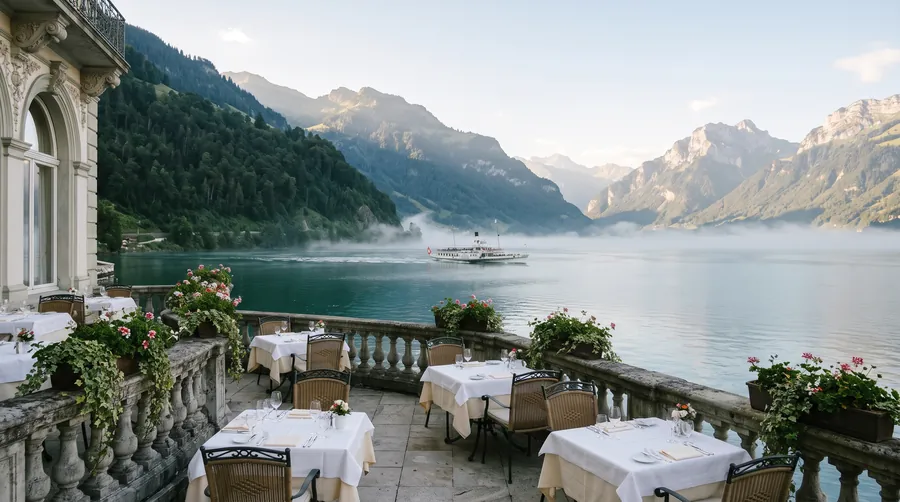
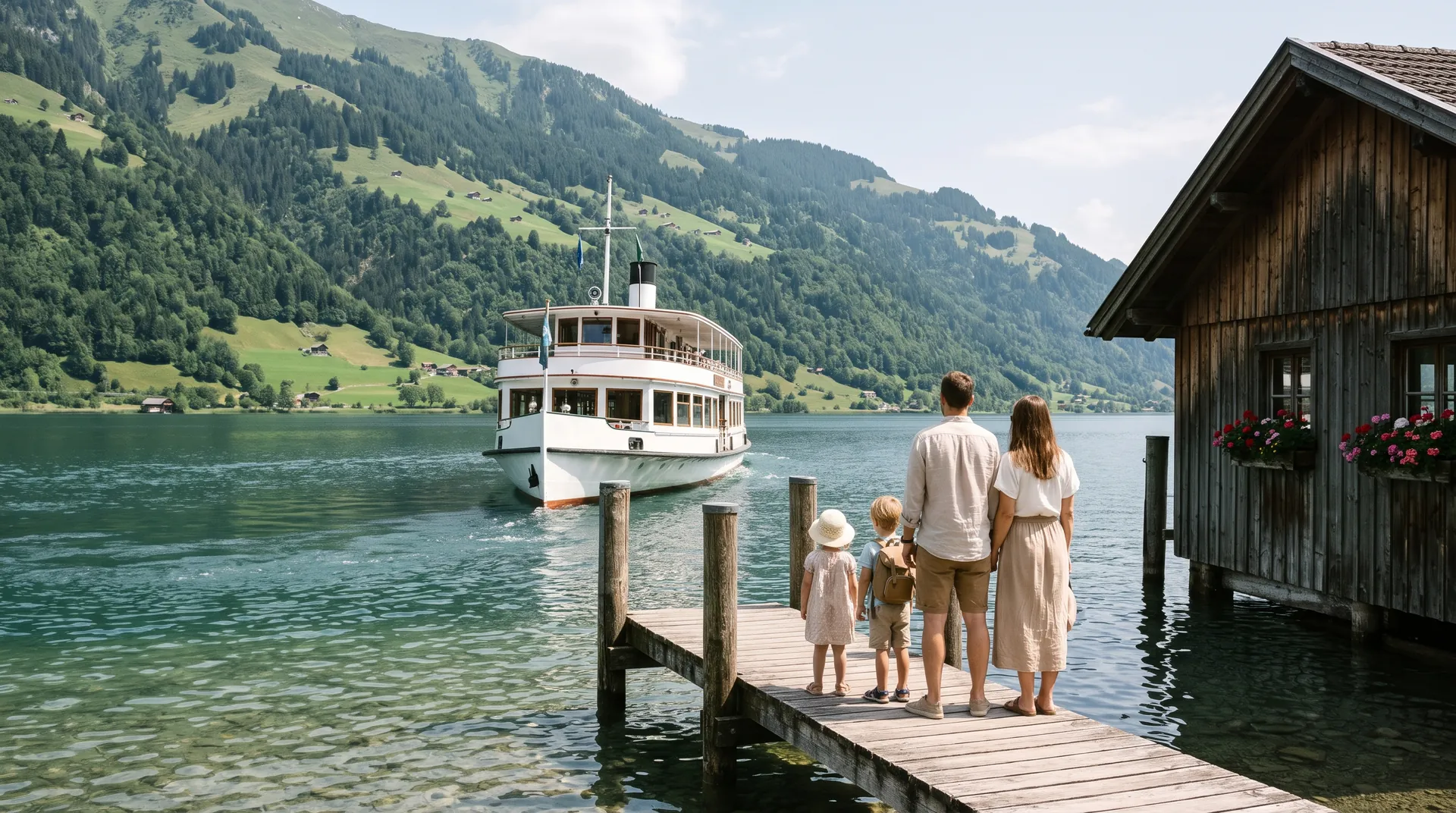
Boats are an outing in themselves. The paddle steamers on the big lakes have engine rooms open to view, where children can watch the great cranks turn, and a round trip with lunch on board fills a morning without effort. Pedal boats, rowing boats and small electric boats can be hired in most lakeside towns for an hour of independence on the water.
Mountain railways and short walks
Cogwheel railways, funiculars and cable cars turn a mountain into an adventure before anyone has walked a step. In summer, many lifts lead to playgrounds, small lakes, summer toboggan runs and themed trails designed for children, with stations, games and stories along the way. A walk of an hour or two, with a picnic and a stream to dam, is often a better day than a long hike.
Plan around the timetables. Check the time of the last lift down before you set off and leave a margin. Choose paths marked in yellow, the easy walking trails, and avoid the white, red and white mountain trails with small children, as they cross steep ground. Marmots, cows with bells and the occasional ibex are reliable highlights.
Sun, weather and altitude
The mountain sun is strong. Ultraviolet light increases with height and reflects off snow and water, so hats, sunglasses and high factor sun cream matter even on cool days. Dress children in layers: the air cools by roughly 6 to 7 °C for every 1,000 metres you climb, and a sunny morning in the valley can mean a chilly wind at the top station.
In July and August, thunderstorms often build in the afternoon. Do the high excursions in the morning and keep the afternoon for the lake, the pool or a rest. If thunder starts, head down to the valley or into a building, and keep away from ridges and isolated trees. A small backpack with water, a snack and a warm layer for each child keeps short walks cheerful whatever the sky does.
Rainy days and quiet hours
Every Swiss summer has a grey day or two. Lucerne has a large transport museum with trains, planes and ships to climb into, Lake Geneva has the castle of Chillon and lakeside museums, and many towns offer chocolate or cheese making workshops for children. Hotel pools, indoor play rooms and a long lunch fill the rest.
Leave space in the plan. Children remember the steamer’s whistle, the cow on the path and the swim before dinner more than a list of sights. Fewer excursions, a regular rhythm and an early dinner on the terrace usually make the best family days, for parents as much as for children.
Questions readers ask
Do children travel free on Swiss trains?
Children under six travel free with an adult. For children aged six to sixteen, the railways sell a family card valid for a year that lets them travel free with a parent who has a ticket, and visitor rail passes usually include it. Ask at a staffed station for the current conditions.
Is Switzerland good for a family holiday with toddlers?
Yes. Short distances, reliable trains with space for pushchairs, lidos with shallow water and gentle walks make it easy with small children. Choose a base with a pool or lake access, keep excursions short and plan the day around nap times.
Where can children swim in Switzerland?
In the lakes, from lidos with shallow areas, lawns and changing rooms, mostly from late June to early September, and in hotel and public pools all year. The lakes of Ticino are the warmest. Swim only in marked bathing areas and keep children close, as lakes can deepen quickly.
Independent editorial guidance. Our guides name no resorts, and resortris takes no payment for coverage. Seasons and conditions are general and can vary from year to year.
Try it nowResort Packing List: Beach, Snow, Desert or SafariChoose the kind of resort and the length of stay and tick off a packing list that is saved in your browser.