





Swiss Lake Resorts: Lucerne, Geneva or Ticino for a Restorative Stay
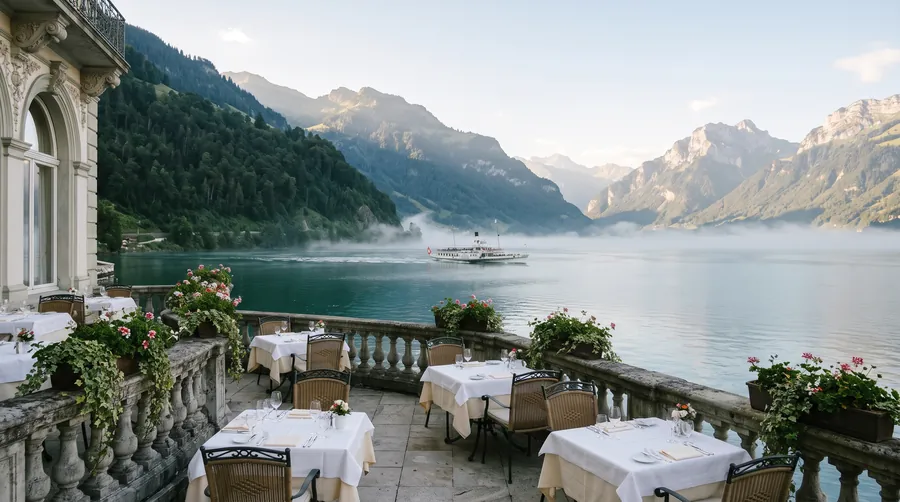
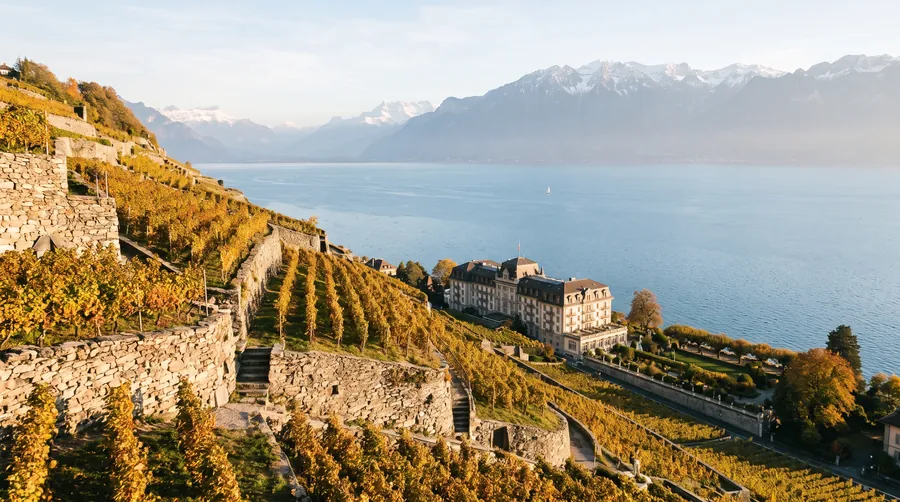
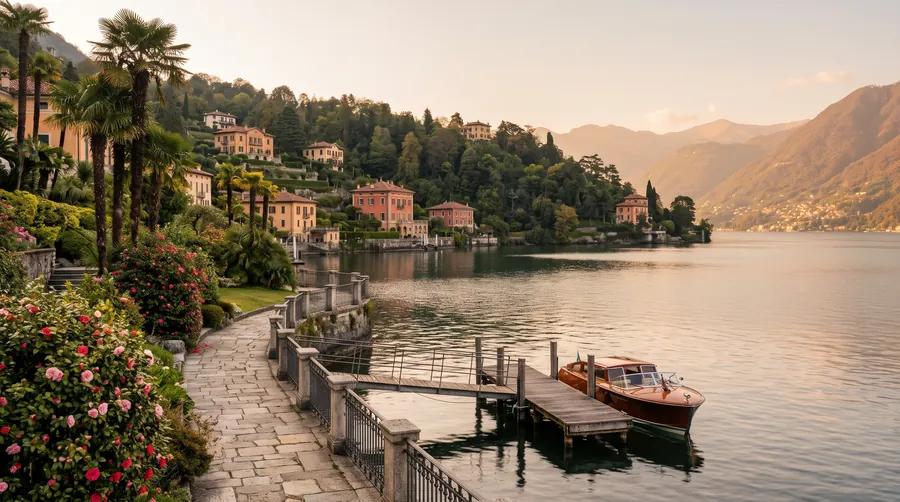
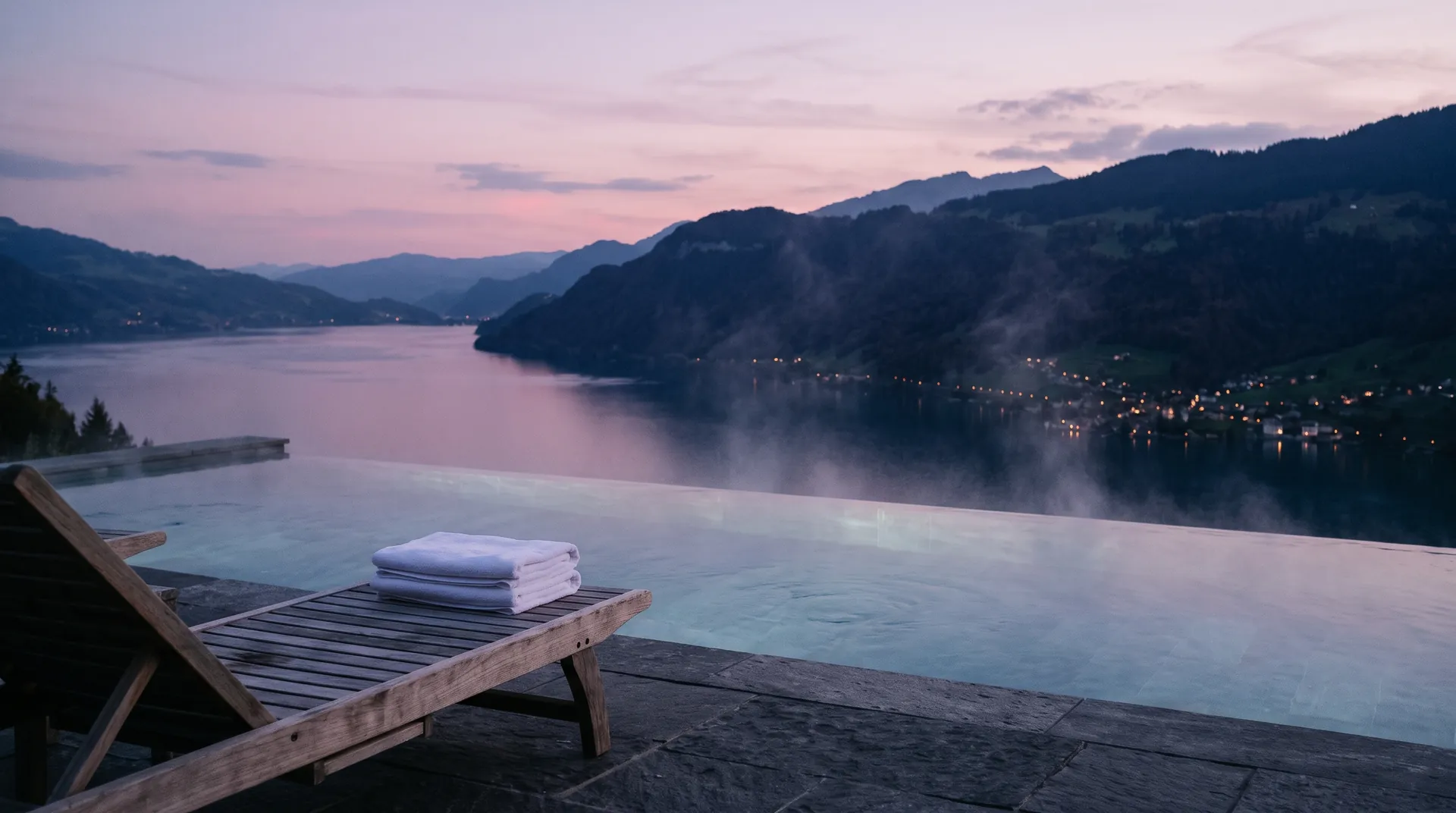
Three Swiss lakes, three moods: mountains rising from Lake Lucerne, the vineyards of Lake Geneva and the southern light of Ticino.
Switzerland is known for its mountains, but some of its most restorative stays sit at the water’s edge. Grand hotels have lined its lakes since the nineteenth century, and many now pair a spa with a jetty, so a sauna can end with a swim in clear lake water. Three regions stand out, each with its own language, climate and character. Here is how they differ, when each is at its best and how to plan a stay around the lake.
Three lakes, three characters
Switzerland has dozens of lakes, but three regions shape most lake resort stays. Lake Lucerne lies in the German speaking centre of the country, a lake of narrow arms and steep shores where the mountains rise straight from the water. Lake Geneva, in the French speaking west, is wide and open, with vineyards on its northern slopes and the mountains of Savoy across the water. Ticino, south of the Alps, holds the Swiss shores of Lake Maggiore and Lake Lugano, where the language is Italian and the light is noticeably softer.
The differences go beyond scenery. Each region has its own food, its own rhythm and its own season. Lake Lucerne is the most mountainous, Lake Geneva the most urbane, Ticino the warmest. All three share the Swiss habits that make a lake stay easy: clean water you can swim in, punctual boats and trains, and a long tradition of grand hotels built to face the view.
Lake Lucerne: mountains at the water’s edge
Lake Lucerne is the most dramatic of the three. Its arms wind between forested slopes and limestone walls, and from almost any terrace you look up at a mountain: the Rigi on one side, Pilatus above the city, the higher peaks of Uri towards the south. The classic resorts sit on the sunny northern shore around Weggis and Vitznau, where the Rigi shelters a mild corner with palms by the water, or high on the ridges opposite, reached by funicular.
A stay here is about gentle movement as much as rest. Historic paddle steamers link the villages, a cogwheel railway climbs from Vitznau to the top of the Rigi, and the steepest cogwheel railway in the world runs up Pilatus. Lucerne itself, with its covered wooden bridges and old town, is a short boat ride away. Come between June and September for swimming, when the lake reaches about 17 to 21 °C at the surface.
Lake Geneva: vineyards and a riviera
Lake Geneva feels almost like a small sea. It is wide enough for the French shore to look distant on a hazy day, and on windy afternoons sailing boats heel across open water. The Swiss side faces south, which is why vines thrive on its slopes. Between Lausanne and Vevey, the Lavaux terraces climb the hillside behind stone walls, a landscape on the UNESCO World Heritage list, and further east the Riviera of Vevey and Montreux has palms along its quays.
This is the most cultured of the three lakes. Belle Époque paddle steamers cross to France, the medieval castle of Chillon stands on its rock in the water, and in July a famous jazz festival fills Montreux. Lake hotels range from grand palaces on the quay to quieter houses on the slopes above Montreux, reached by rack railway. The lake is usually warm enough for a swim from late June to early September.
Ticino: the southern light
Cross the Alps through the Gotthard and the mood changes. Ticino is Italian speaking, sunnier and warmer than the north, with camellias in March, magnolias in spring and figs ripening in late summer. On Lake Maggiore, the resorts gather around Ascona and Locarno, near the delta of the Maggia; on Lake Lugano, around the city and in old villages such as Morcote and Gandria, where stone houses step down to the water.
The lakes here are the warmest of the three, reaching about 23 to 24 °C at the surface in July and August, and the evenings are long and mild. Days follow a southern rhythm: a morning swim, lunch at a grotto under chestnut trees, a rest in the heat of the afternoon, an aperitif by the water. Ticino suits couples and families who want warmth without a long flight, and golfers, who find courses on the Maggia delta and on the shore of Lake Lugano.
Spa culture by the lake
Swiss lake hotels have a long spa tradition, and many of the better houses now pair a modern spa with direct access to the lake. The classic sequence is simple: a sauna, a cold dip from the jetty, a rest on a lounger facing the water. In summer the lake is a pleasant plunge; in spring and autumn, at 10 to 15 °C, it is bracing and brief. Heated outdoor pools, often open all year, let you swim with the mountains in view even in winter.
Customs vary by region. In German speaking Switzerland, as in Germany and Austria, saunas are usually used without swimwear and often shared by men and women, while pools and relaxation rooms require a swimsuit. In Ticino and on Lake Geneva, practice is more mixed, and many hotels state their rule at the spa door. If in doubt, ask at reception, bring a swimsuit and use a large towel to sit on.
Heat and cold water both put strain on the body. If you have a heart condition or high blood pressure, or are pregnant, ask your doctor before sauna sessions and cold plunges.
When to go, and how to combine
For a lake stay, June to September is the core season everywhere, with July and August best for swimming. Ticino starts earlier and ends later: May and September are among its finest months, and spring arrives there weeks before it reaches Lucerne. Lake Geneva and Lake Lucerne are lovely in May and October for walking and spa days, when the lake is too cold for most swimmers but the light is clear and the paths are quiet.
The lakes also combine well with the mountains. Lake Lucerne pairs naturally with the Engadin or the Bernese Oberland, Lake Geneva with Zermatt or the Vaud Alps, and Ticino with the Engadin over the Bernina Pass. Three or four nights at the lake followed by the same in the mountains gives you water and altitude in one trip, with a train ride between them that is part of the pleasure.
Questions readers ask
Can you swim in Swiss lakes?
Yes. The water in the large Swiss lakes is generally very clean, and lidos, jetties and hotel bathing areas are common. The water is warmest from July to early September, typically around 20 to 24 °C at the surface depending on the lake. Swim within marked areas and watch for boats.
Which Swiss lake is the warmest?
The lakes of Ticino, Lake Lugano and the Swiss part of Lake Maggiore, are usually the warmest, often reaching 23 to 24 °C at the surface in high summer. Lake Geneva and Lake Lucerne are a few degrees cooler. Shallow bays warm faster than the open lake.
When is the best time for a lake holiday in Switzerland?
June to September, with July and August best for swimming. Ticino has the longest season, with pleasant weather from May and often well into October. Spring and autumn suit walking and spa stays, when the lakes are quieter but too cold for most swimmers.
Independent editorial guidance. Our guides name no resorts, and resortris takes no payment for coverage. Seasons and conditions are general and can vary from year to year.
Try it nowResort Finder: Which Resort Suits YouAnswer six short questions about company, landscape, month and priorities and get three destinations and the resort style that fits them.